Every year on the 15th June, the global renewable energy community comes together to celebrate Global Wind Day and recognise the contribution wind power makes to cleaner, more secure energy systems.
Over the last two decades, wind energy has evolved from an emerging technology into one of the world’s most important sources of electricity generation. As the industry continues to expand at record pace, the focus is increasingly shifting from simply building new turbines to ensuring existing assets operate safely, efficiently and reliably throughout their lifecycle.
Here are six trends shaping the future of wind energy in 2026.
Wind Power Has Become a Core Part of the Global Energy Mix
Wind energy is no longer a niche technology. More than 130+ countries now generate electricity from wind, and global installed capacity exceeded 1,299 GW by the end of 2025 according to the Global Wind Energy Council (GWEC).
Wind power now contributes almost 10% of the world’s electricity generation, demonstrating the critical role it plays in supporting national energy systems and helping countries diversify their energy supplies.
The Industry Is Growing At Record Speed
The pace of deployment continues to accelerate. During 2025, nearly 30,000 wind turbines were installed worldwide, contributing a record 165 GW of new capacity, according to latest statistics from GWEC.
This growth reflects increasing demand for renewable energy that is affordable, domestically sourced and resilient to external market pressures. Major markets including China, the United States, India, Germany and Brazil continue to invest heavily in wind infrastructure, helping drive global capacity growth.
Wind Energy Strengthens Energy Security
Recent years have highlighted the vulnerability of countries that rely heavily on imported fossil fuels. Price volatility, geopolitical instability and supply disruptions have reinforced the importance of developing domestic energy resources.
Wind energy provides a stable, indigenous source of electricity generation that reduces exposure to fuel price fluctuations. Combined with other renewable technologies, it helps create more diversified and resilient energy systems capable of meeting future demand.
Renewable Energy Is Becoming A More Cost-Effective Choice
The economics of renewable energy continue to improve. According to industry analyses, the majority of newly commissioned renewable energy projects are now more cost-effective than fossil fuel alternatives.
Wind farms can typically be developed faster than conventional power generation infrastructure, allowing countries to respond more quickly to growing electricity demand while supporting long-term decarbonisation goals.
Wind Is Essential To Achieving Climate Goals
Governments around the world have committed to significantly increasing renewable energy capacity as part of efforts to reduce greenhouse gas emissions and achieve net-zero targets.
The global wind sector surpassed one terawatt of installed capacity in 2023, and forecasts indicate that capacity could double by the end of this decade. Continued investment in wind energy will be essential to reducing reliance on fossil fuels and supporting a lower-carbon economy.
A Growing Industry Needs a Growing Workforce
The expansion of wind energy is creating significant demand for skilled workers across the industry. From engineers and project managers to technicians working on turbine inspections, maintenance and repairs, the sector is anticipated to create millions of jobs over the coming decades according to The International Renewable Energy Agency (IRENA).
As global capacity continues to increase, maintaining the performance and reliability of operating assets becomes just as important as installing new turbines. Experienced technicians and specialist service providers will play a critical role in supporting the long-term success of the industry.
Supporting the Next Phase of Wind Energy
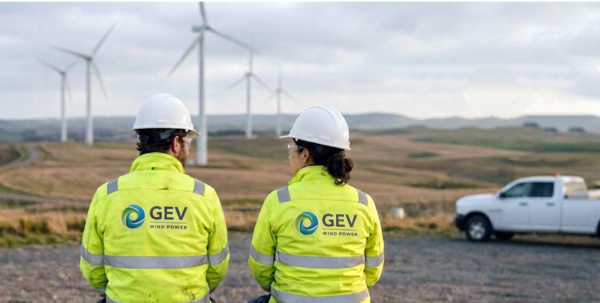
At GEV Wind Power, we see first-hand how the industry’s rapid growth is creating new opportunities and challenges for asset owners and operators.
As turbine fleets mature, extending asset life, improving reliability and maintaining blade integrity are becoming increasingly important. Through inspection, maintenance, repair and engineering services, the industry can maximise energy production while supporting the long-term sustainability of wind assets.
This Global Wind Day, we celebrate not only the growth of wind energy worldwide, but also the people whose expertise helps keep turbines operating safely and efficiently every day.
Sources: Global Wind Energy Council (GWEC) Global Wind Report 2026, International Energy Agency (IEA), International Renewable Energy Agency (IRENA), Ember and related industry publications.