Published in recognition of World Day for Safety and Health at Work.
Within the wind industry, safety is embedded in everything we do, from the way we train our technicians to the way we plan every project, onshore and offshore. As we celebrate World Day for Safety and Health at Work this year, we want to explore how we think about safety, what it looks like in practice, and reflect on the ways in which we can continue to build a stronger safety culture within the workplace.
For us, that conversation starts with the Fail Safely campaign. But what does it mean to Fail Safely?
What Does Fail Safely Mean?
Most people, when asked to describe a safe workplace, tend to give a simple answer: “Nothing goes wrong.”
It’s not an incorrect view, but it may be limiting our ability to build a deeper, more meaningful understanding of what a strong safety culture truly looks like.
The safety mindset goes beyond asking, “How do we prevent things from going wrong?” It also considers, “If something does go wrong, what prevents it from escalating into a tragedy?”
This question is the foundation of our Fail Safely campaign. Fail Safely isn’t about accepting failure, it’s about being honest about it. To fail safely is to ensure effective barriers are in place to remove the chance of someone getting hurt, in the instance that something unexpectedly fails.
It is not about achieving perfection. It is about acknowledging that mistakes can happen to anyone, because we are human, conditions change, pressures exist, and making sure that when something does go wrong, our systems and processes are strong enough to stop it from becoming an incident.
Fail Safely recognises the presence of defences. Not just the absence of incidents.
Building Layers Of Protection
One of the most important shifts in thinking, that Fail Safely encourages, is moving away from the idea that safety is the responsibility of one person, one procedure, or one piece of equipment.
No single measure can be considered perfect on its own. What protects our people is the combination of things working together, well-designed processes, properly maintained equipment, clear communication, and a culture in which speaking up is encouraged. It requires leadership that takes these things seriously. When those layers are in place, small errors stay small and do not escalate.
Our role, as a business and as individuals, is to keep strengthening those layers and to look for the gaps before they are found the hard way.
“Fail Safely is about what’s in place when things don’t go to plan. We don’t measure safety by the absence of incidents, we measure it by the strength of our controls, the clarity of our plans, and the actions our people take in the moment something starts to drift. If we can’t see the barriers working, then we don’t have control. Our expectation is simple: know your risks, prove your controls, and be ready to respond. That’s how we protect each other.”
George Guy, GEV Group QHSE Manager
The Power of Reporting
Most incidents don’t start with a big failure. They start with small doubts that get ignored. One of the most valuable things we can continue to do is encourage people to report safety observations, no matter how big or small. Not necessarily because something went wrong, but because something nearly did, or could have in the wrong circumstance.
Organisations that have strong reporting cultures learn faster. They fix weaknesses before they become incidents. In turn, they build better defences. If people stay silent, whether out of embarrassment, fear, or the belief that “it wasn’t a big deal”, it opens the potential for future failures and the next person who comes along might not be so lucky.
At GEV Wind Power, we recorded over 1,500 positive safety observations across the Group in 2025. That number reflects a culture where people feel empowered to speak up, and we are proud of it. But we also know that every report, however small it might seem in the moment, is a contribution to something bigger.
Safety only works if we talk about it. The close calls, the things that did not feel quite right, the moments where something was done differently because time was short. Those conversations are how we continue to grow as an industry.
What This Looks Like in Practice
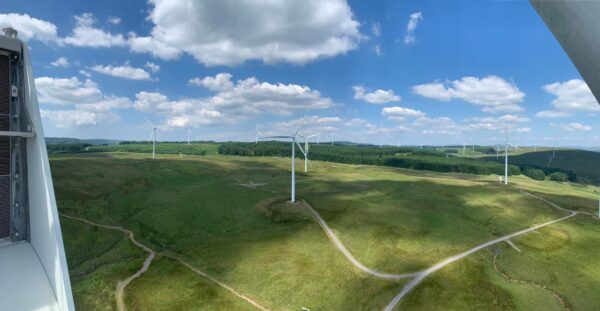
For our technicians working at height, in challenging weather, often in remote locations, Fail Safely is less of a concept and more of a set of habits that are built over time.
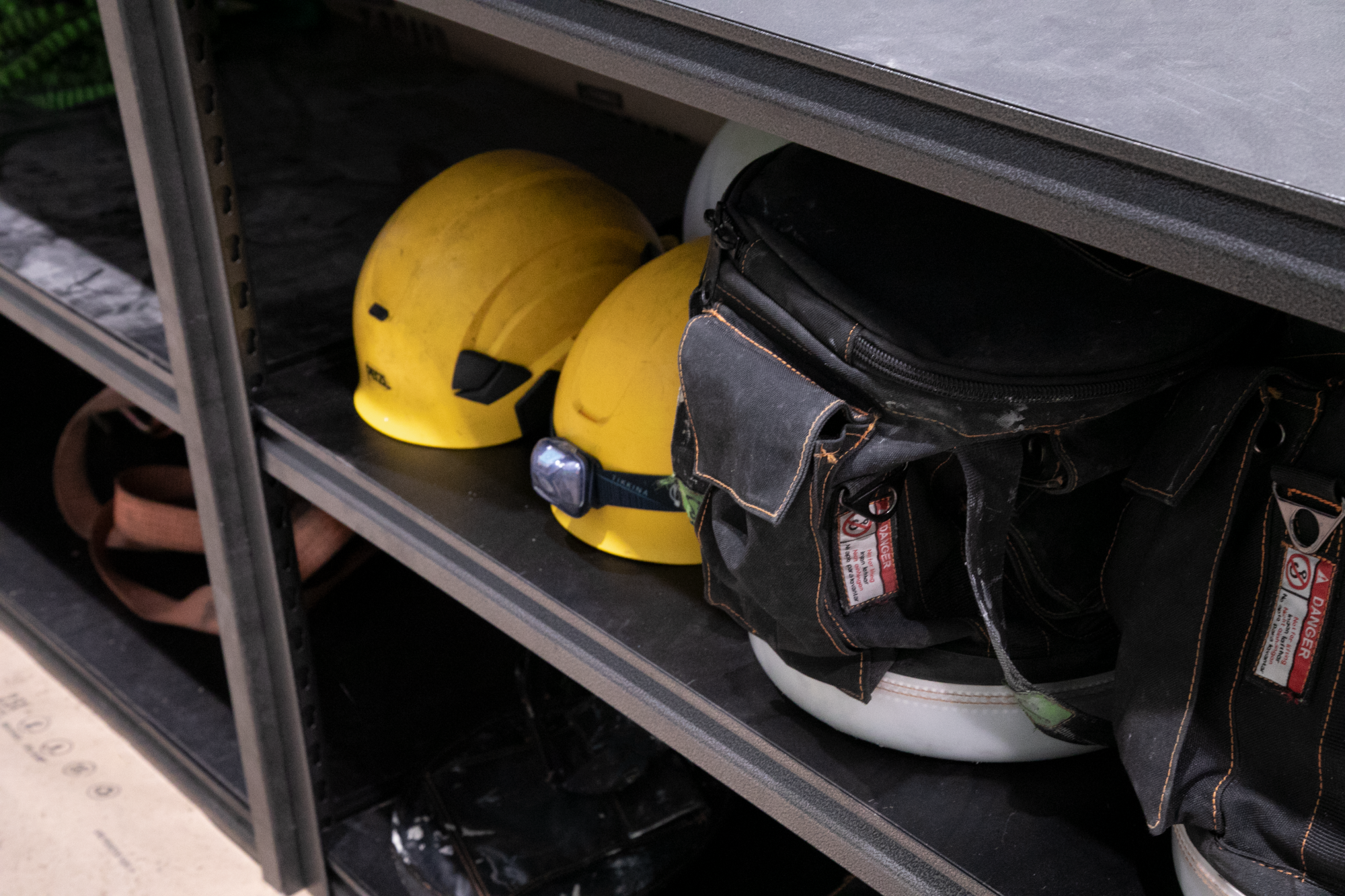
It is the pre-job briefing where the team discusses what could go wrong and what procedures are in place if it does. It is the vehicle checks and equipment checks, not just because it is on a checklist, but because the person doing it understands why it matters. It is the technician who raises a concern before a job starts, and the team lead who stops and listens.
Small actions, repeated consistently, across every team and every project, are what build effective defences and a culture of genuine safety.
Our Commitment
The Fail Safely campaign, which was initially launched in 2025 as an internal safety campaign at GEV Group, is a commitment to keep asking the difficult questions, to keep looking for ways to improve our defences, and to create an environment where every person in our business feels safe, supported, and empowered to speak up.
On World Day for Safety and Health at Work, we are proud to be part of an industry that is pushing safety standards forward, and we are proud of the people within GEV who show up every day and make the right choices, even when no one is watching.